
By Clinical Psychologist Dr. Maria-Elena Lukeides
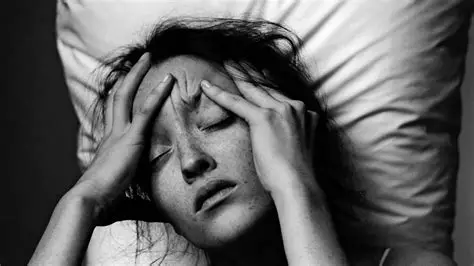
Waking up after a night out drinking can sometimes feel like stepping into a horror movie. You know the drill: you open your eyes, and instead of relief, you’re hit with a wave of panic. Your mind races as you replay every moment from the previous evening, obsessively wondering what you said or did. Welcome to the world of hangxiety – a term that’s taken social media by storm and is becoming increasingly recognised in psychological circles. So, what exactly is it, and how can you manage it? Let’s dive into the details.

What Is Hangxiety?
Hangxiety is a catchy term that combines “hangover” and “anxiety.” It describes that unsettling feeling of dread and regret that often follows a night of drinking. While many people might chalk up their mood swings to typical hangover symptoms (hello headaches and fatigue) hangxiety goes deeper than that. It’s not just about feeling tired and groggy; it’s about those overwhelming feelings of shame and anxiety that can plague you after a night of indulgence.
When you indulge in alcohol, it can feel liberating at the moment, but the aftermath can be anything but pleasant. Because alcohol affects the part of our brain that alerts us to risks, we can often feel freer and more spontaneous. We temporarily dull out the warnings about social faux pas, physical risks, even financial risks and responsibilities. In fact, the part of the brain that is supposed to alert us about potential consequences and help us inhibit impulses is ultimately checked out. When the effect of the alcohol wears off, and that part of the brain re-engages we often find that we said, and did things that we ordinarily would have inhibited due to perceptions that these actions and behaviors would have caused some consequence. That is why you might find yourself obsessing over conversations you had, worrying about how others perceived you, or regretting actions you took while under the influence. This mental spiral can lead to feelings of isolation and distress, making hangxiety a very real phenomenon for many people.

Is It a Real Thing?
Absolutely! While enjoying a drink might seem harmless, alcohol is a depressant that disrupts your brain chemistry in significant ways. When you consume alcohol, it lowers levels of serotonin – the neurotransmitter responsible for regulating mood – which can lead to feelings of anxiety and depression in the days that follow. Furthermore, alcohol affects two specific chemicals in your brain: glutamate and GABA (Gamma-aminobutyric acid). Glutamate is responsible for keeping your brain active and alert, while GABA has a calming effect. When you drink, your body increases GABA levels while decreasing glutamate levels, which can lead to lowered inhibitions, or impaired monitoring for potential future consequences, and impaired reactions. However, the morning after drinking, your brain tries to rebalance these chemicals, becoming overly sensitive to glutamate (which heightens anxiety) and less sensitive to GABA (which would normally help calm you down). Compounding this issue is acetaldehyde – a toxic by-product produced when your body breaks down alcohol. This compound can lead to various unpleasant symptoms such as anxiety, memory impairment, elevated heart rates, and even physical incoordination. And let’s not forget about sleep! Alcohol disrupts your sleep patterns, leaving you feeling tired and irritable the next day. Add all this together with the potential for embarrassing moments from the night before due to lowered inhibitions, and you have the perfect recipe for hangxiety.

How to Manage It
While hangxiety might seem like an inevitable part of drinking culture, there are ways to manage it effectively. Here are some practical tips:
Consider Cutting Back On Alcohol Consumption: The most obvious way to avoid hangxiety is to cut back on drinking altogether, or at the very least, cut back on how much you drink. While alcohol may provide a temporary mood boost, it often leads to more significant issues down the line. If you notice that your drinking habits are causing anxiety or regret more often than not, it might be time for a break. Dry January anyone?!
Hydrate, Hydrate, Hydrate: One simple yet effective strategy is to stay hydrated before, during, and after drinking. For every alcoholic beverage you consume, try to match it with a glass of water or non alcoholic “chaser”. This will help mitigate dehydration – a common culprit behind hangover symptoms – and may reduce feelings of anxiety the next day while definitely helping you cut back on the quantity of drinks you are consuming.
Eat Before You Drink: Having a meal before drinking can significantly impact how your body processes alcohol. Eating helps slow down alcohol absorption into your bloodstream, which can lessen its effects on your mood and overall wellbeing.
Get Moving: After a night out, it might be tempting to curl up under the covers and hide from the world. However, engaging in some light exercise can work wonders for your mood. Whether it’s going for a walk or hitting the gym for a quick workout session, physical activity releases endorphins – your body’s natural mood lifters. Yes, it’s probably the last thing you feel like doing, but at the very least, force yourself outside for a slow walk.

Distract Yourself: If you’re feeling anxious about what happened during your night out, try engaging in activities that take your mind off those thoughts. Whether it’s watching a movie, reading a book, or spending time with friends who weren’t part of last night’s escapades, distraction can be an effective tool against hangxiety.
Meditate or try breathwork: Some of the most effective strategies for alleviating the impact of adrenaline in our bodies is through meditations specifically focused on relaxing the body, slowing our breath, regulating our heartbeats and training our attention to stay anchored in bodily sensations and away from our mind. Breathwork is also extremely helpful in putting your attention back into your body by using breath techniques to activate your energy and then often breath holds to release tension and reset the nervous system.
Seek Professional Help if Needed: If drinking has become problematic for you or if hangxiety is affecting your daily life significantly, don’t hesitate to seek professional help. Organisations like Lifeline and Beyond Blue provide support for individuals grappling with addiction or anxiety disorders. They offer free counselling services that can help guide you through difficult times.
By being mindful of your drinking habits and implementing some practical strategies for recovery after nights out, you can reduce the likelihood of those dreaded feelings creeping in after an evening of fun. So next time you wake up feeling anxious after a night out with friends, remember – you’re not alone! With awareness and proactive steps, it’s possible to navigate through hangxiety and reclaim your peace of mind.
Dr. Maria-Elena Lukeides is a highly experienced clinical psychologist based in Sydney, with over 25 years of expertise in the field of psychology. She is the founder of counselling clinics in Paddington and Clovelly that specialise in treating a wide range of psychological issues, including anxiety, depression, trauma, and PTSD. Find out more at www.drmariaelenalukeides.com.au or follow her on Instagram at www.instagram.com/drmariaelena_lukeides




Leave a Reply